Collision Repair Services in Sacramento, CA
Body Worx Collision provides collision and auto body repair for Sacramento drivers and surrounding communities. Our technicians repair damage ranging from dents, damaged bumpers, exterior panels, and paint damage to structural and unibody repairs requiring professional measuring, welding, paint matching, and refinishing equipment.
As an I-CAR Gold Class facility, we develop each repair plan around the vehicle’s damage, applicable manufacturer repair information, and the procedures needed to restore proper fit, finish, function, and structural integrity. Our team also assists with repair documentation, insurance communication, towing and rental coordination when needed, and updates throughout the repair process.
Covered workmanship is backed by a written lifetime warranty for as long as you own the vehicle.
Types of Collision Damage We Repair
Collision damage can affect more than the parts visible from outside the vehicle. Body Worx Collision evaluates the visible damage, develops a repair plan, and inspects for additional damage that may become apparent during disassembly.
Dents and Exterior Panel Damage
We repair dents, creases, scrapes, and damaged exterior panels caused by minor accidents, parking incidents, road debris, and other impacts.
Automotive Paint and Color Matching
Our refinishing process includes surface preparation, computerized color matching, paint application, clear coat, polishing, and quality-control inspections to restore a consistent appearance.
Bumper and Impact Damage
Bumper damage may involve the bumper cover, reinforcement components, mounting points, absorbers, lighting, sensors, and nearby body panels. Our team evaluates the affected area before determining the appropriate repair procedures.
Aluminum, Fiberglass, and Advanced Materials
Modern vehicles may use aluminum, high-strength steel, fiberglass, composites, and other specialized materials. Repair procedures are selected according to the affected component and applicable manufacturer guidance.
Frame and Unibody Damage
When a collision affects the vehicle’s structure, professional measuring and repair equipment may be required. We perform frame and unibody repairs based on the vehicle’s damage and applicable manufacturer repair information.
Post-Collision Scanning and ADAS Coordination
Modern vehicles may require diagnostic scanning or advanced driver-assistance system procedures after collision repairs. When required, our team identifies applicable needs and coordinates scanning or calibration services as part of the repair process.
Insurance Claim Assistance
You have the right to choose the collision repair facility that repairs your vehicle. Body Worx Collision works with customers and insurance carriers to help document the damage, prepare repair estimates, and communicate changes that may arise during disassembly and repair.
Before Repairs Begin
Our team can review the visible damage, prepare a preliminary estimate, and explain the information your insurance company may request. Bring any claim number, insurance estimate, adjuster contact information, photographs, or other documents you have received.
Supplemental Damage
Some collision damage may not be visible until damaged parts are removed. When additional damage is discovered, we document the findings, prepare a supplemental estimate, and communicate with the insurance carrier before proceeding with the related repairs.
Parts, Approvals, and Updates
Insurance review, parts availability, and supplemental approvals can affect the repair schedule. We keep customers informed as the repair plan develops and provide updates when important changes occur.
Your Repair-Shop Choice
An insurance company may recommend a repair facility, but California drivers are not required to use a specific shop. Our team can answer questions about the repair process while you remain in control of where your vehicle is repaired.
Our Collision Repair Process
Every collision repair begins with an assessment of the visible damage and the information available at that stage. As the vehicle moves through estimating, disassembly, structural and body repair, refinishing, reassembly, scanning, calibration, and final inspection, the repair plan may be updated to address additional damage or manufacturer-required procedures.
The timeline below explains the general repair process. Individual repairs vary based on damage severity, parts availability, insurance review, supplemental approvals, and any diagnostic or calibration procedures required for the vehicle.
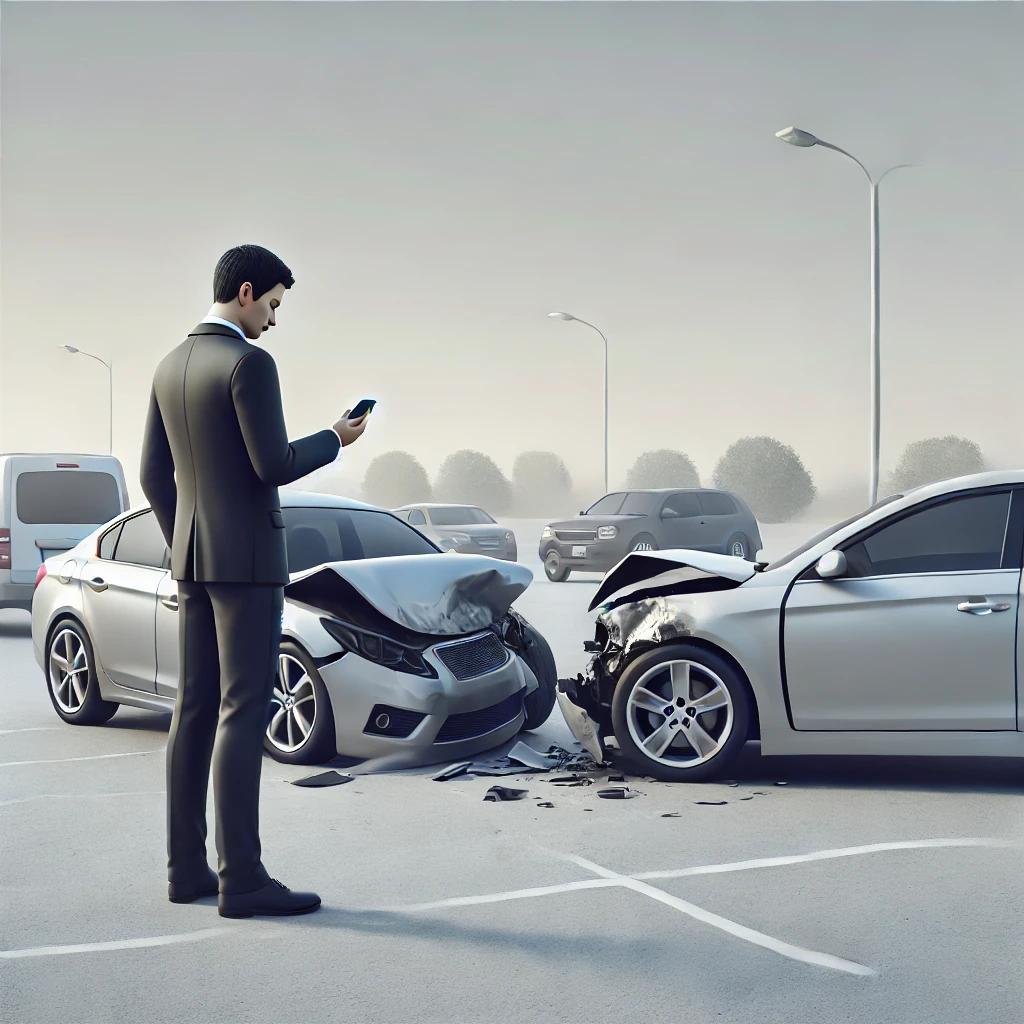
1. Collision Occurs
Contact your insurance carrier if you plan to file a claim.
Contact Body Worx Collision by phone or through our online estimate form.
Avoid driving the vehicle if the damage may make it unsafe.

2. Estimate and Repair Planning
We inspect the visible collision damage.
A preliminary repair estimate is prepared.
Insurance documentation is reviewed when a claim is involved.
Preliminary parts may be ordered based on the initial repair plan.
The vehicle is scheduled after the necessary arrangements and initial parts availability are confirmed.


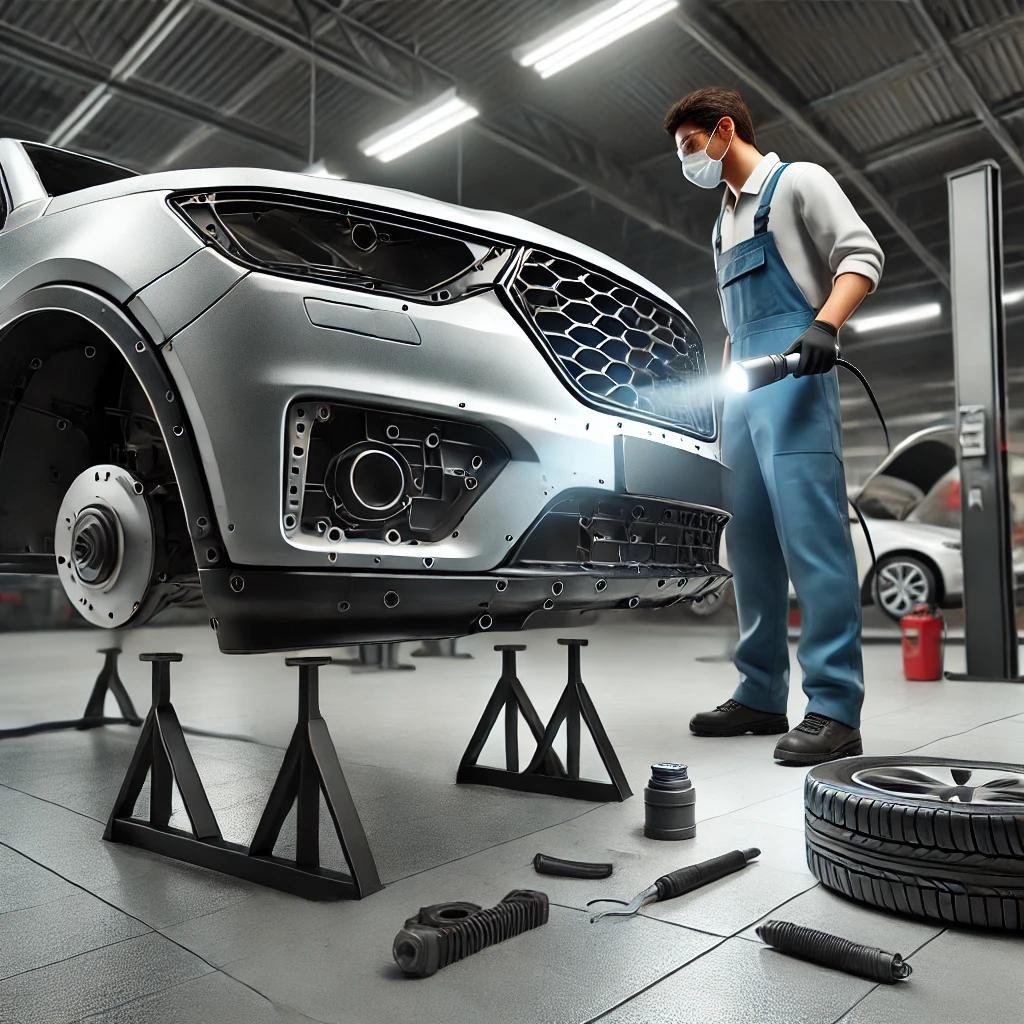
3. Disassembly and Supplemental Inspection
Damaged components are removed as needed to inspect for hidden body and structural damage.
Additional damage and required repair procedures are documented.
A supplemental estimate is prepared when the initial estimate does not include all necessary repairs.
Supplemental documentation is submitted to the customer or insurance carrier, as applicable.
Additional parts are ordered, and the anticipated repair timeline is updated.
4. Structural and Body Repair
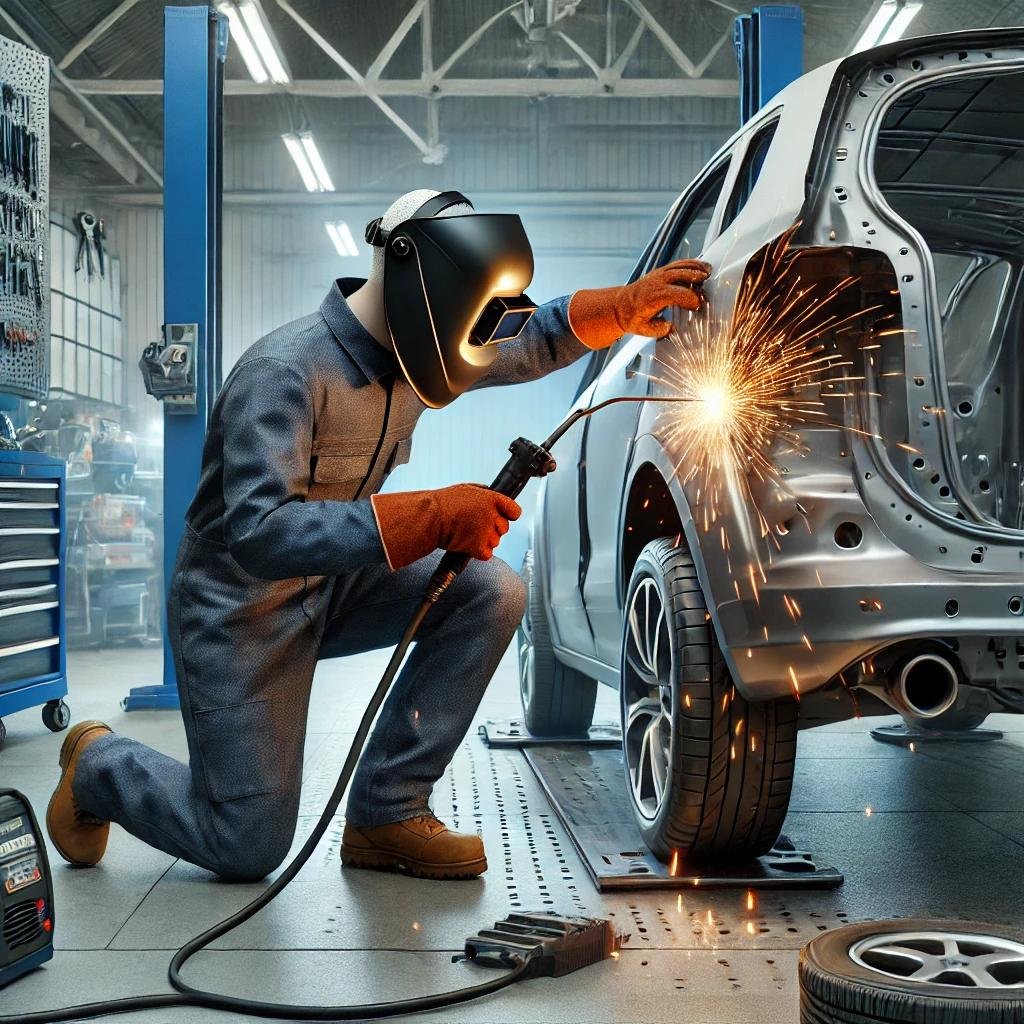
Structural, unibody, and exterior-panel repairs are completed according to the vehicle’s damage and applicable manufacturer repair information.
Required welding, measuring, fitting, and panel-replacement procedures are performed.
Corrosion protection, seam sealers, primers, and protective coatings are restored where required.
The completed repair work undergoes an in-process quality inspection.
5. Automotive Refinishing
Repaired surfaces are prepared, smoothed, and sanded.
Primer and required surface coatings are applied.
The vehicle’s paint color is matched using the PPG paint-mixing system.
Base coat and clear coat are applied in the paint booth.
Refinished surfaces are polished and inspected for color, finish, and appearance.

6. Reassembly, Scanning, and Calibration
Removed components are reinstalled and aligned.
Vehicle systems and functions affected by the repair are checked.
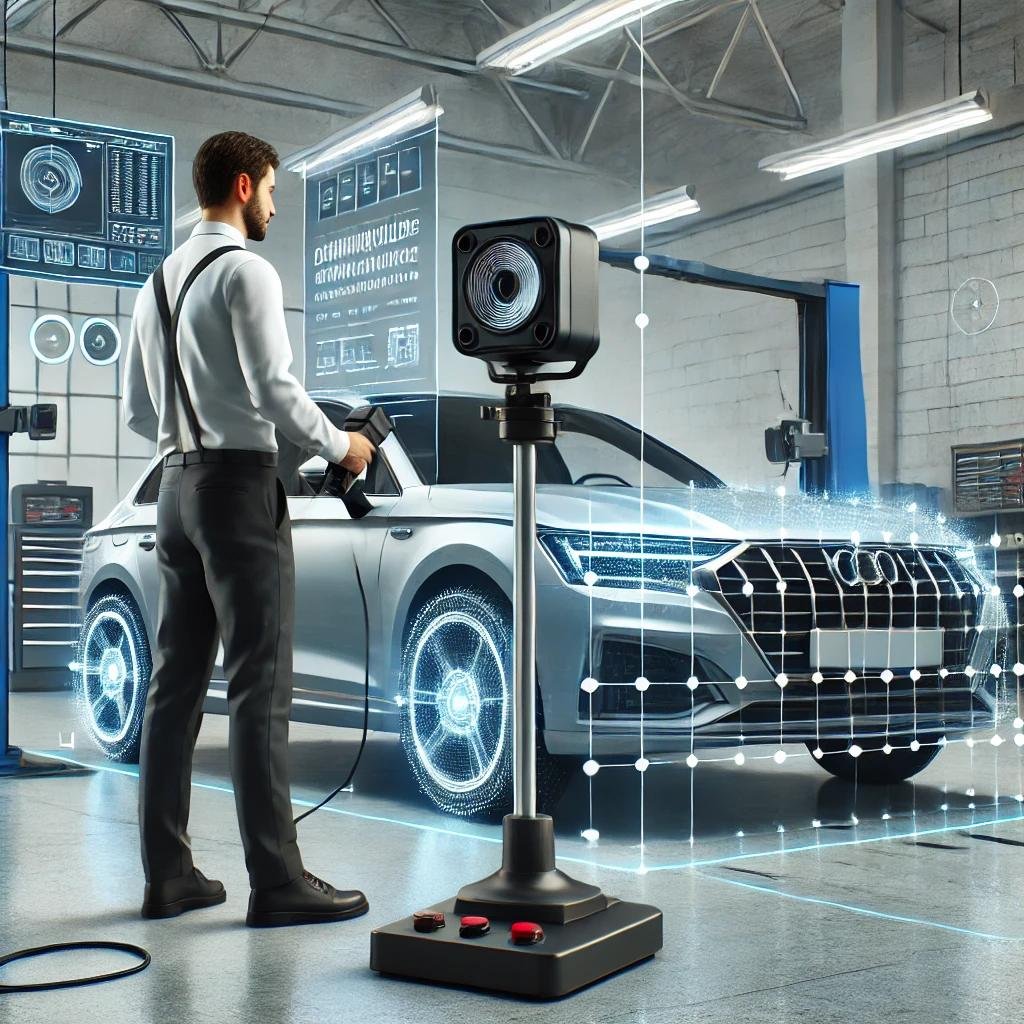
Pre-repair or post-repair diagnostic scanning is completed when required.
Advanced driver-assistance system calibrations are performed or coordinated when applicable.
The vehicle is cleaned and receives a final quality-control inspection.
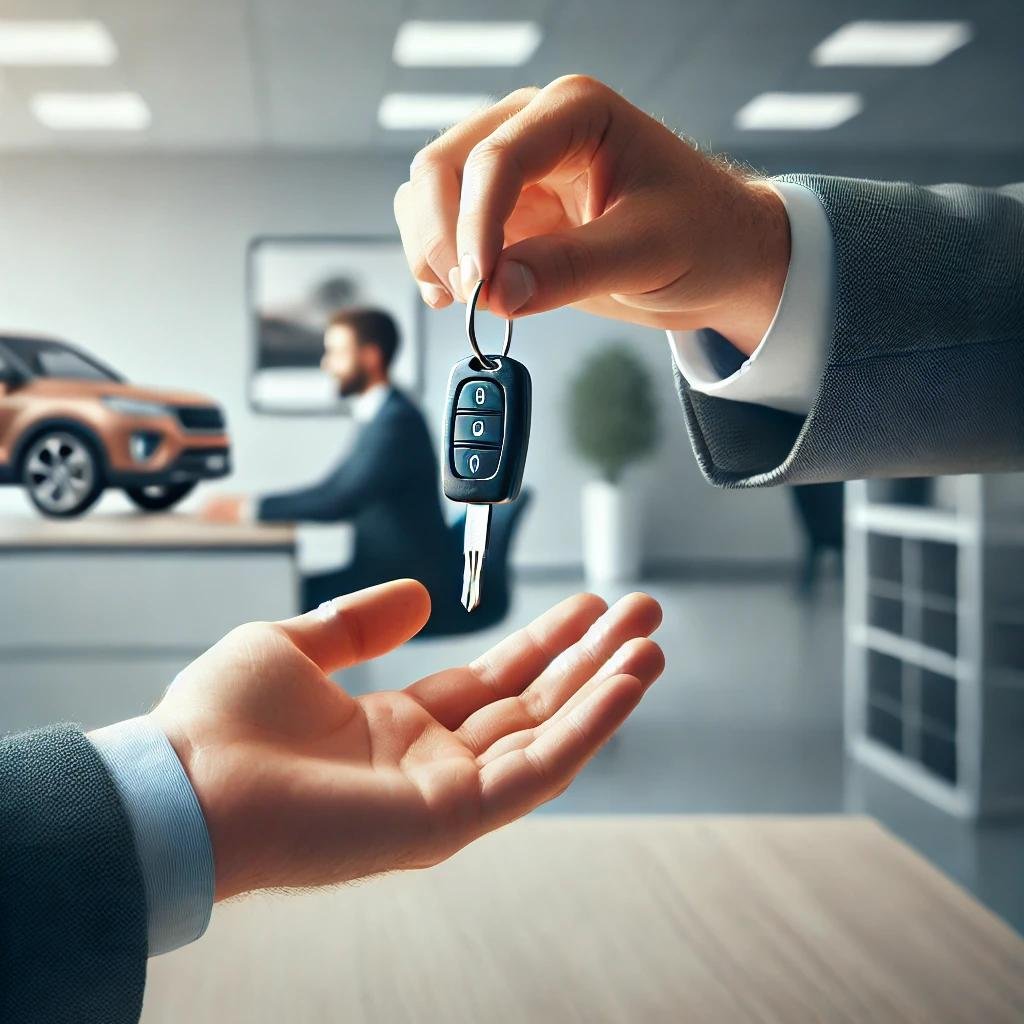
7. Vehicle Delivery
The customer is notified when the repairs and final inspections are complete.
Our team reviews the completed work and available repair documentation with the customer.
Final payment and pickup arrangements are completed.
The vehicle is returned to the customer.
8. Written Lifetime Warranty
Covered workmanship is backed by a written lifetime warranty for as long as the customer owns the vehicle. Warranty terms, coverage, and exclusions are provided with the final repair documentation.
