ADAS Scanning & Calibration Coordination After Collision Repair
Advanced Driver Assistance Systems (ADAS) use cameras, radar, ultrasonic sensors, electronic control modules, and other vehicle systems to support driver-assistance functions such as automatic emergency braking, lane assistance, blind-spot monitoring, adaptive cruise control, parking assistance, and collision warnings.
Collision damage and certain repair procedures can affect ADAS components, mounting locations, wheel alignment, vehicle geometry, or related electronic systems. As part of the collision-repair process, Body Worx Collision identifies applicable scanning, calibration, aiming, initialization, and inspection requirements using manufacturer repair information for the specific vehicle.
When specialized diagnostic or calibration procedures are required, we coordinate those services with an appropriate calibration provider and incorporate the resulting documentation into the repair process.
Common ADAS Features
Modern vehicles may be equipped with systems such as:
Automatic Emergency Braking
Forward Collision Warning
Adaptive Cruise Control
Lane Departure Warning
Lane Keeping Assistance
Blind-Spot Monitoring
Pedestrian Detection
Traffic Sign Recognition
Parking Assistance
Front, Rear, and Surround-View Camera Systems
Rear Cross-Traffic Alert
The systems installed on a vehicle vary by year, make, model, trim level, and equipment configuration.
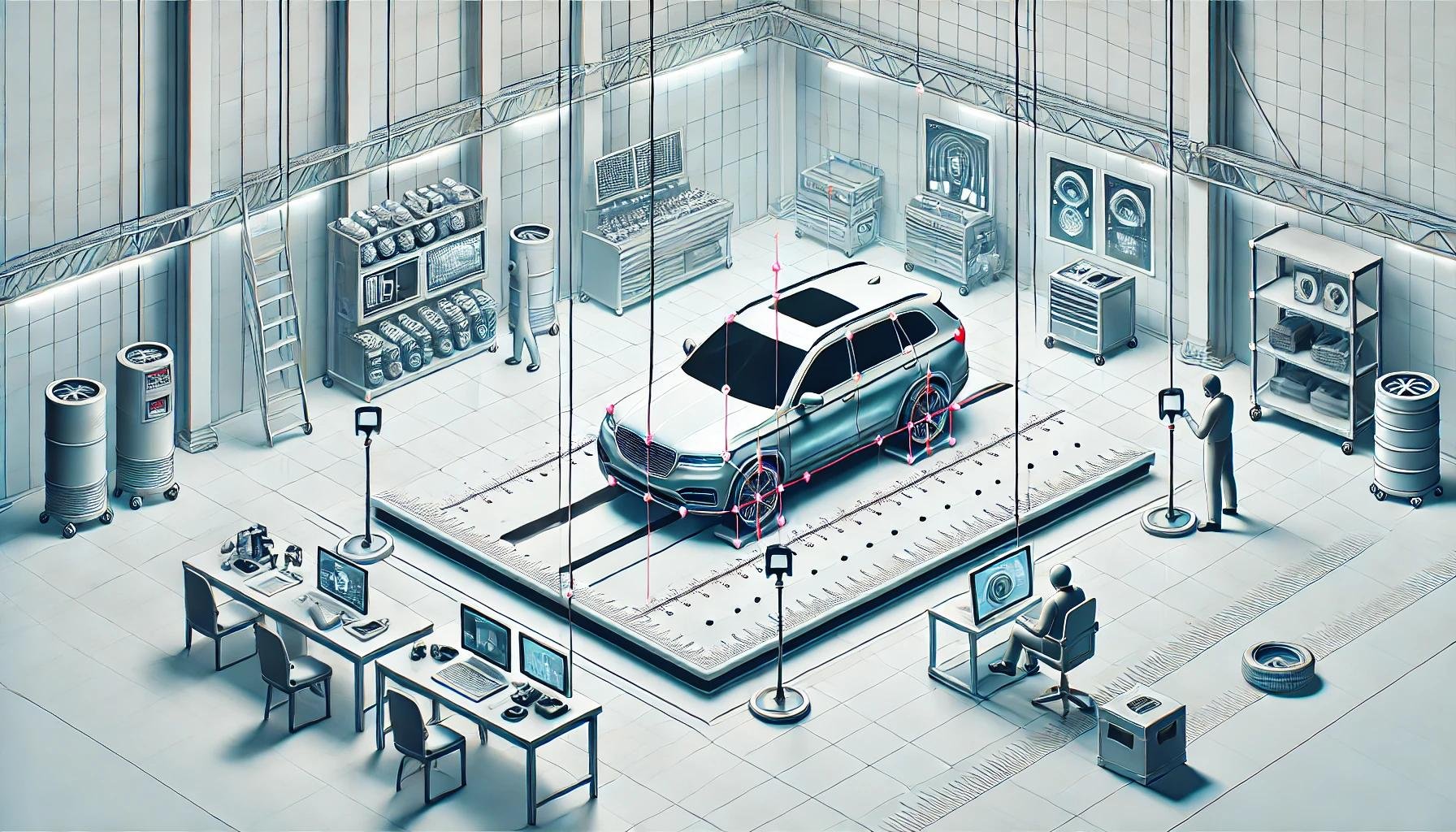
Diagnostic Scanning and ADAS Calibration
Diagnostic scanning and ADAS calibration are related but separate procedures that may be required during collision repair.
Diagnostic Scanning
A diagnostic scan communicates with the vehicle’s electronic control modules to identify diagnostic trouble codes, system conditions, and other information relevant to the repair.
Pre-repair and post-repair scanning requirements vary by vehicle manufacturer, system, and repair procedure.
ADAS Calibration
Calibration, aiming, or initialization may be required when specified by the vehicle manufacturer.
Depending on the vehicle and system, requirements may be triggered by:
Collision damage
Camera or radar removal or replacement
Sensor replacement or repositioning
Windshield replacement
Structural or body repairs
Wheel alignment
Suspension repairs
Changes affecting vehicle ride height
Diagnostic trouble codes
Other manufacturer-specified repair procedures
Some systems use static calibration, performed while the vehicle remains stationary with specialized equipment or targets.
Others use dynamic calibration, which requires the vehicle to be driven under specific conditions.
Certain vehicles or systems may require both.

How Body Worx Handles ADAS Requirements
ADAS-related procedures are incorporated into the collision-repair plan rather than treated as an unrelated service.
1. Identify Affected Systems
During damage analysis and repair planning, we identify components, systems, and repair procedures that may have ADAS-related requirements.
2. Review Manufacturer Requirements
Applicable vehicle-manufacturer repair information is reviewed to determine whether diagnostic scanning, aiming, initialization, or calibration procedures are required.
3. Coordinate Required Services
When specialized equipment or procedures are required, Body Worx coordinates the work with an appropriate calibration service provider based on the vehicle and required procedure.
4. Complete Repair-Related Procedures
Applicable scanning and calibration procedures are completed at the appropriate stage of the repair process.
5. Review Documentation
Available scan reports, calibration results, and related documentation are incorporated into the repair file before the vehicle is delivered.
Calibration Requirements Vary by Vehicle
There is no single calibration procedure that applies to every vehicle or every collision repair.
Requirements depend on factors such as:
Year, make, and model
Vehicle trim and installed options
Type and location of collision damage
Components removed or replaced
Structural repairs
Wheel alignment or suspension work
Camera and sensor mounting locations
Manufacturer repair procedures
A vehicle may require diagnostic scanning without calibration, calibration of one or more systems, or additional procedures based on the repairs being performed.
Vehicle and Facility Conditions
ADAS calibration procedures may require specific vehicle and facility conditions before they can be completed.
Depending on manufacturer requirements, these conditions may include:
Correct tire pressures
Specified fuel level
Proper vehicle load
Wheel alignment
Correct ride height
Unmodified suspension geometry
Appropriate wheel and tire configuration
Level floor space
Specific lighting conditions
Clear space around the vehicle
Required diagnostic or calibration equipment
Non-factory suspension modifications, altered ride height, wheel or tire changes, existing vehicle damage, or other conditions may affect whether a calibration can be completed successfully.
If additional work or preparation is required, our team will discuss it with you as part of the repair process.
ADAS and Your Collision Repair
At Body Worx Collision, our goal is Precision Repairs for Peace of Mind. ADAS-related requirements are considered alongside structural repair, body repair, refinishing, reassembly, diagnostic procedures, and final quality-control inspections.
Rather than relying on one calibration provider for every vehicle, we coordinate the appropriate scanning and calibration resources based on the specific vehicle and required procedures while remaining your primary point of contact throughout the collision repair.
Questions About ADAS After an Accident?
If your vehicle has cameras, radar sensors, parking sensors, lane-assistance systems, collision-warning systems, or other driver-assistance technology, those systems may need to be considered as part of the repair plan.