
Frame & Unibody Repair in Sacramento, CA
Collision damage can affect a vehicle’s frame, unibody structure, mounting points, exterior panels, and the way surrounding components fit together. Body Worx Collision provides structural repair services for Sacramento drivers and surrounding communities using professional repair, measuring, welding, and refinishing equipment.
Our technicians evaluate the visible damage, review the affected structural areas, and develop a repair plan based on the vehicle’s condition and applicable repair information. Depending on the damage, repairs may involve structural measuring, controlled correction, component replacement, welding, corrosion-protection restoration, panel alignment, and refinishing.
Because structural damage is not always visible from outside the vehicle, additional damage may be identified during disassembly. When that occurs, our team documents the findings, updates the repair plan, and communicates with the customer and insurance carrier when a claim is involved.
Covered workmanship is backed by a written lifetime warranty for as long as you own the vehicle.
Signs Your Vehicle May Have Frame or Unibody Damage
Structural damage is not always obvious after a collision. A vehicle may look repairable from the outside while damage affects mounting points, structural components, suspension alignment, or the fit of surrounding panels.
Possible signs include:
Doors, the hood, or the trunk no longer opening or closing properly
Uneven gaps between body panels
Visible buckling, twisting, or deformation
A vehicle that pulls or tracks differently after a collision
Steering-wheel position that appears off-center
Uneven tire wear following an impact
Suspension or alignment problems
Cracks, separated seams, or damaged mounting points
Warning lights or sensor issues after the collision
Damage near the front or rear structural rails
These symptoms do not confirm structural damage by themselves. A professional inspection, disassembly, measuring, and review of the affected areas may be necessary to determine the full extent of the damage.
Our Structural Repair Process
Frame and unibody repairs require more than correcting visible body damage. Our team evaluates the affected areas, develops a repair plan, and verifies the vehicle’s structure throughout the repair process.
1. Damage Assessment and Disassembly
We inspect the visible collision damage and remove affected components when necessary to evaluate concealed structural areas, mounting points, seams, and surrounding panels.
2. Structural Measuring
Professional measuring equipment is used when required to compare affected areas, identify movement or deformation, and support the repair plan.
3. Controlled Structural Correction
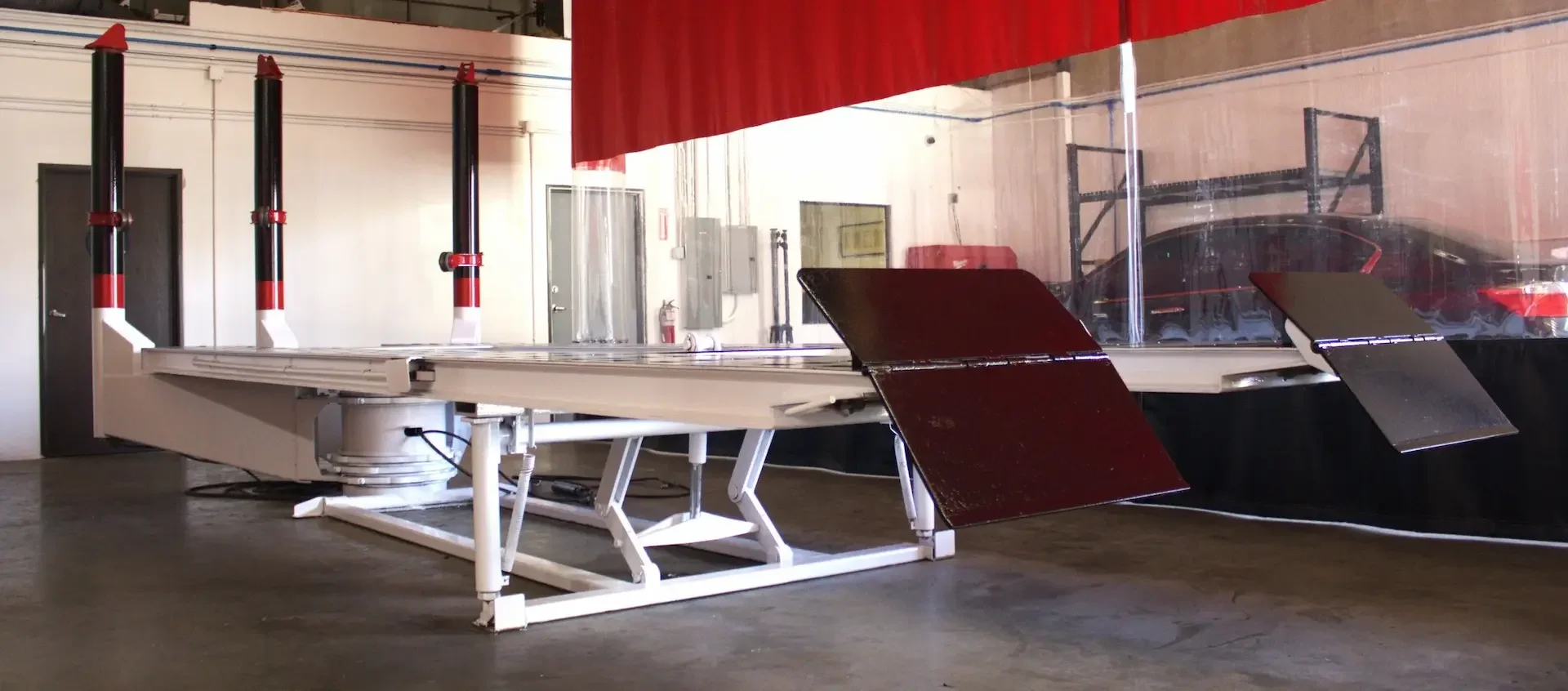
The vehicle may be secured to structural repair equipment so controlled corrections can be made to damaged areas. The procedures used depend on the location, material, severity, and manufacturer repair information available for the vehicle.
4. Component Repair or Replacement
Some structural components may be repairable, while others must be replaced. Required cutting, fitting, welding, bonding, fastening, seam sealing, and corrosion-protection procedures are completed according to the repair plan.
5. Verification and Quality Control
Structural measurements, panel alignment, mounting points, and surrounding component fit are checked as the repair progresses. The vehicle then moves into refinishing, reassembly, diagnostic, calibration, and final inspection procedures as applicable.
Welding and Structural Component Replacement
Modern vehicle structures may combine high-strength steel, ultra-high-strength steel, aluminum, adhesives, rivets, welds, and other specialized materials. The repair method depends on the affected component, the extent of the damage, and the procedures specified for that vehicle.
Repair Versus Replacement
Not every damaged structural component can be safely repaired. Some areas may allow controlled correction, while others require partial or complete component replacement. Our team evaluates the damage and available repair information before determining the appropriate procedure.
Heat Management and Material Protection
Excessive heat can affect certain vehicle materials and surrounding components. Repair procedures are planned to control heat exposure and protect adjacent areas during welding and structural work.
Welding and Joining Methods
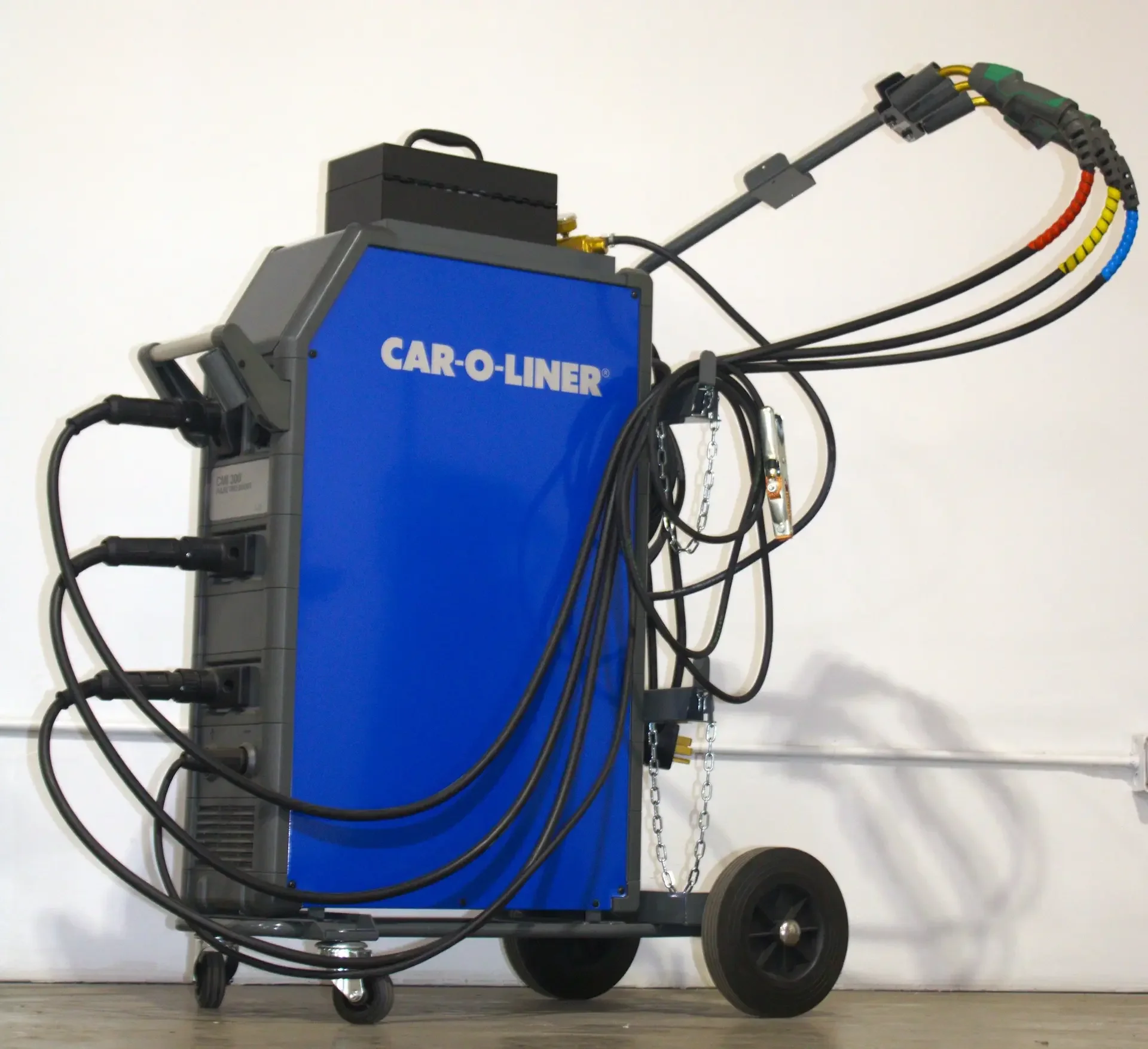
Structural repairs may require welding, bonding, riveting, fastening, or a combination of joining methods. The equipment and procedures used are selected according to the material, component location, and repair plan.
Component Fit and Alignment
Replacement components must be positioned correctly before permanent attachment. Mounting points, panel gaps, adjoining components, and structural measurements are checked during fitting and installation.
In-Process Inspections
Measurements, weld locations, attachment points, panel fit, and repair quality are inspected as work progresses. Any required primers, seam sealers, adhesives, and corrosion-protection materials are restored during the appropriate stages of the repair.
Corrosion Protection and Refinishing After Structural Repairs
Structural repairs may disturb factory coatings, seam sealers, primers, adhesives, and corrosion-protection materials. Restoring these materials is an important part of completing the repair and protecting repaired areas from moisture and environmental exposure.
Surface Preparation
Repaired and replaced components are cleaned and prepared before protective coatings or refinishing materials are applied. The preparation process depends on the material, repair location, and products required by the repair plan.
Primers and Protective Coatings
Applicable primers, weld-through coatings, cavity protection, and corrosion-resistant materials are applied to repaired areas when required. These products help protect exposed metal and restored attachment points.
Seam Sealer Restoration
Factory seams and joints may use sealers to help prevent moisture intrusion and protect adjoining panels. Disturbed seam sealer is restored in the appropriate locations during the repair process.
Paint Matching and Refinishing
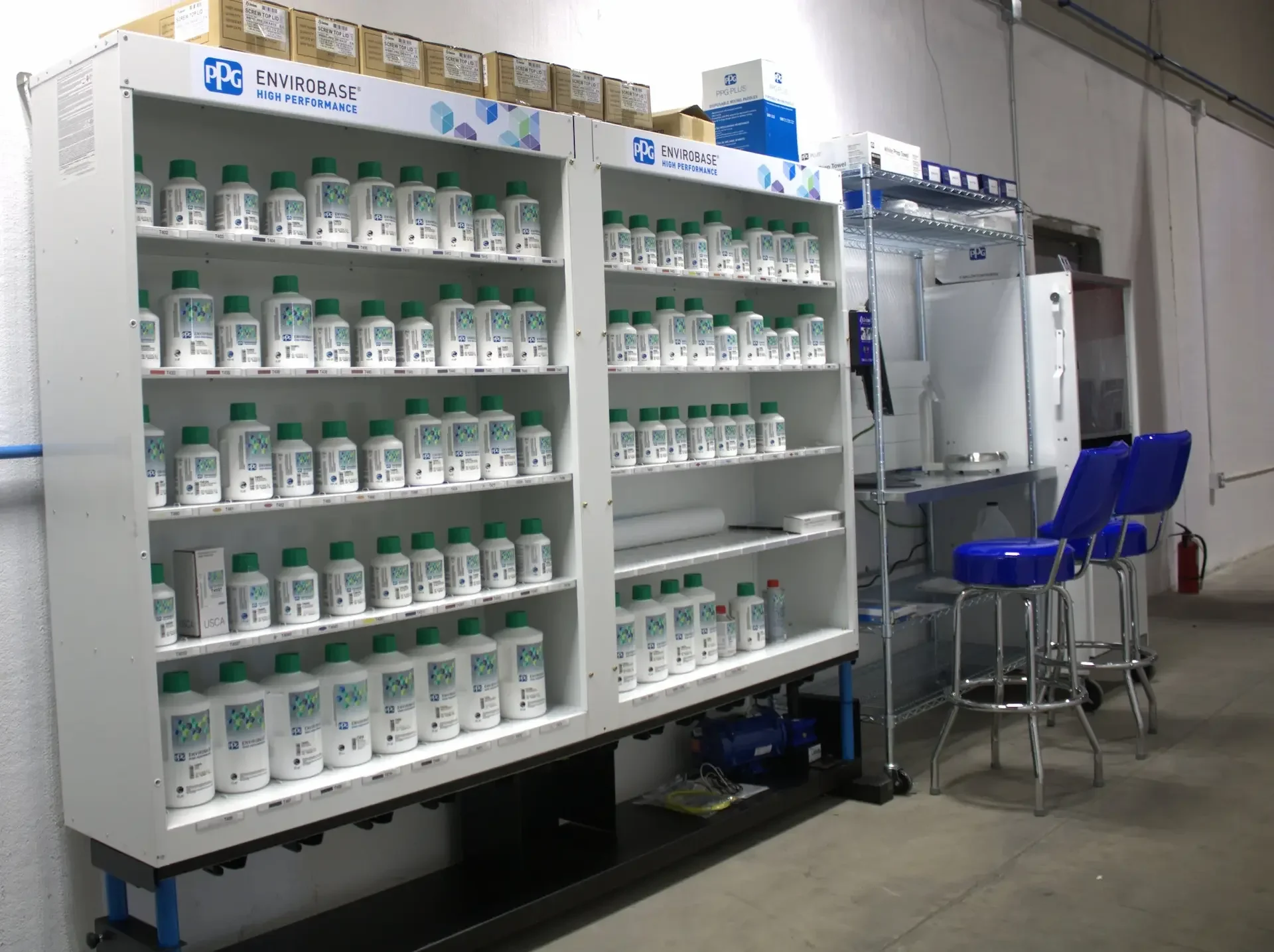
Repaired exterior areas are prepared and refinished using computerized color-matching and professional paint equipment. Base coat, clear coat, blending, polishing, and final appearance checks are completed as required.
Final Inspection
Before the vehicle is delivered, repaired areas are inspected for panel fit, coating coverage, seam-sealer application, paint finish, and overall workmanship. Additional reassembly, diagnostic, or calibration checks are completed when applicable.
Insurance Coordination for Structural Repairs
Structural collision damage is not always fully visible during the initial estimate. Additional damage, required procedures, or replacement components may be identified after the vehicle is disassembled and measured.
Initial Repair Estimate
Our team documents the visible damage and prepares a preliminary repair estimate based on the information available before disassembly. When an insurance claim is involved, we can review the insurer’s estimate and identify items that may require further inspection.
Customer Authorization and Updates
We keep the customer informed when the repair plan changes or additional damage is discovered. Repair work proceeds according to the customer’s authorization, insurance review, parts availability, and the procedures required for the vehicle.
Hidden and Supplemental Damage
Once damaged panels and components are removed, concealed structural damage may become visible. Additional measuring, repair procedures, parts, labor, or diagnostic requirements are documented in a supplemental estimate.
Insurance Communication
We provide supporting photographs, measurements, repair documentation, and updated estimates to the insurance carrier when applicable. The insurer may review the supplemental information before authorizing related claim payments.
Repair-Shop Choice
California drivers have the right to choose the repair facility that works on their vehicle. An insurance company may recommend a shop, but it cannot require the customer to use a specific repair facility.
Frame and Unibody Repair FAQs
-
Structural damage is not always visible from outside the vehicle. Uneven panel gaps, doors that do not close correctly, steering or alignment changes, visible buckling, and damage near structural mounting points may indicate a problem. A professional inspection, disassembly, and structural measuring may be required to confirm the extent of the damage.
-
Some structural damage can be corrected using professional measuring and repair equipment. Other components may require partial or complete replacement. The appropriate procedure depends on the affected material, damage severity, component location, and applicable manufacturer repair information.
-
A properly planned and completed structural repair should address the damaged areas using the procedures and equipment required for that vehicle. Measurements, component fit, attachment points, corrosion protection, reassembly, and applicable diagnostic procedures must be verified before delivery. Every repair is evaluated individually.
-
Repair time varies based on damage severity, required disassembly, parts availability, insurance review, supplemental approvals, structural procedures, refinishing, and any scanning or calibration requirements. We provide updates as the repair plan and schedule develop.
-
Coverage depends on the customer’s policy, the circumstances of the loss, the insurer’s review, applicable deductibles, and claim limits. Our team can document the damage, prepare repair estimates, and communicate with the insurance carrier, but the insurer determines claim coverage and payment.
-
No. California drivers have the right to choose the repair facility that works on their vehicle. An insurance company may recommend a shop, but it cannot require you to use a specific facility.
-
Covered workmanship is backed by a written lifetime warranty for as long as you own the vehicle. The specific warranty terms, coverage, and exclusions are provided with the final repair documentation.
Request a Frame or Unibody Repair Estimate
Learn more about our complete collision repair process, including estimating, disassembly, structural repair, refinishing, reassembly, scanning, and final inspection.